Why Companies Should Install an Interactive Health Kiosk
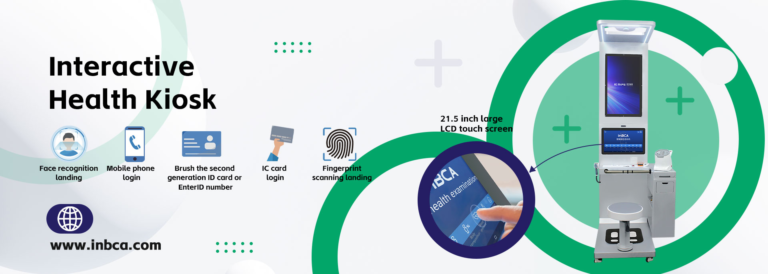
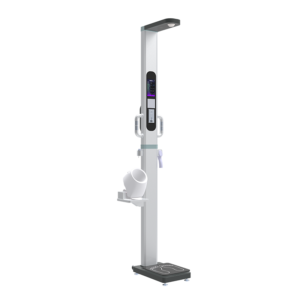
For corporate managers, employee health is not merely a matter of benefits; it is fundamentally a matter of productivity. However, traditional corporate health checkups are often conducted just once a year—a process characterized by long intervals, delayed feedback, and low employee engagement. The advent of the Interactive Health Kiosk is transforming corporate health management from an “annual assessment” into “daily care,” serving as a secret weapon for companies looking to attract talent and reduce absenteeism.
**Instant Feedback: Sparking Behavioral Change**
A study conducted in a workplace setting revealed that employees experienced a significant “immediate action effect” after utilizing AI-powered health kiosks. Data indicates that over 70% of employees, upon receiving their health metrics from the kiosk, proactively scheduled doctor appointments or consulted with health professionals; furthermore, nearly 70% began making adjustments to their lifestyles.
Underlying this phenomenon is the psychological “feedback principle”: when individuals visually observe their own “vascular age,” body fat percentage, or stress index displayed on a screen, the visual impact proves far more effective than an HR department sending out a hundred health-related emails. Through gamified interactions and intuitive data visualization, the health kiosk acts as a powerful “catalyst,” empowering employees to take an active role in managing their own health.
**From Group Benefits to Personalized Intervention**
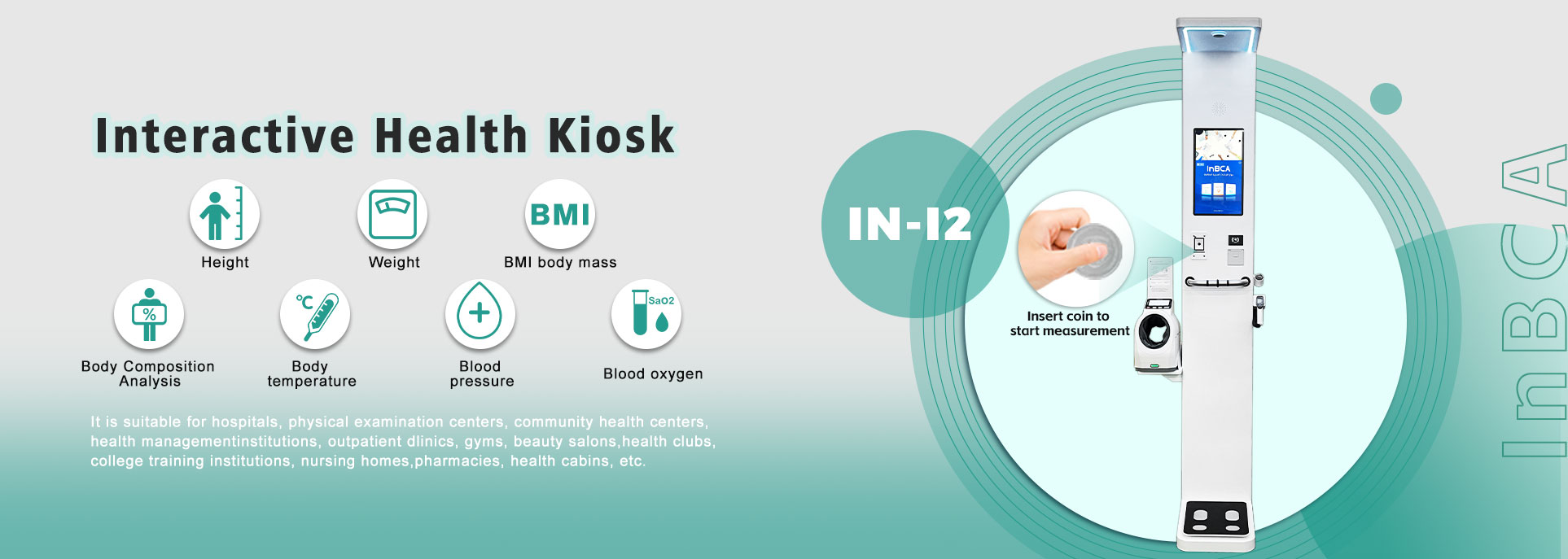
It goes far beyond simply measuring blood pressure. Modern workplace health kiosks have evolved to feature a rich software ecosystem. They serve not merely as measurement points, but as comprehensive internal health resource hubs for the organization:
**Mental Health Screening:** Utilizing built-in tools such as “work-life balance questionnaires” or “mood scales,” the system helps employees identify potential stressors. It then generates anonymous reports for management reference—crucially, without compromising individual privacy.
**Risk Alerts and Referrals:** The system automatically calculates cardiovascular disease risk and identifies individuals who qualify for public health services (such as the UK’s NHS Health Check), facilitating the necessary medical referrals.
**Anonymous Big Data Insights:** This represents the most valuable feature for employers. By aggregating anonymous data in the backend, companies can uncover collective trends—such as “widespread sleep deprivation within the sales department” or “high sedentary-lifestyle risks among the tech team.” Armed with these insights, companies can precisely implement targeted interventions—such as workplace exercise sessions, sleep hygiene workshops, or ergonomic adjustments to office layouts—thereby realizing truly data-driven decision-making.
**Return on Investment: More Than Just a Cost of Goodwill**
Some may view the deployment of health kiosks as a mere expense; in reality, however, it constitutes a strategic investment in optimizing human resource allocation. By deploying 24-hour self-service kiosks in employee cafeterias or fitness centers, companies can enhance the accessibility of healthcare services—a strategy that effectively addresses the issue of unevenly distributed medical resources, particularly for factories or branch offices located across multiple sites.
A study indicates that automating 40% of routine care tasks via self-service kiosks not only alleviates the workload on nursing staff but also significantly reduces the loss of work hours resulting from employees visiting major hospitals for minor ailments. For employees, this represents convenience that is literally within reach; for companies, it offers an efficient, cost-effective, and technologically sophisticated solution for employee benefits.