Why Modern Height and Weight Scales Go Beyond Mere “Weighing”
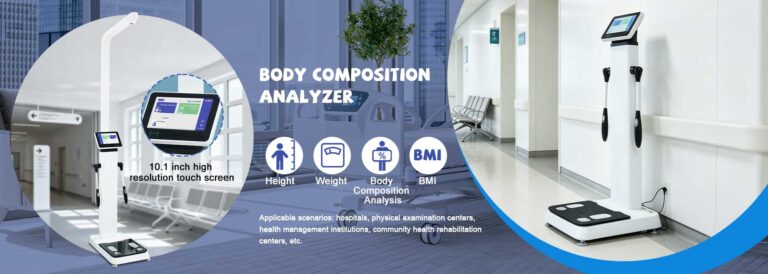
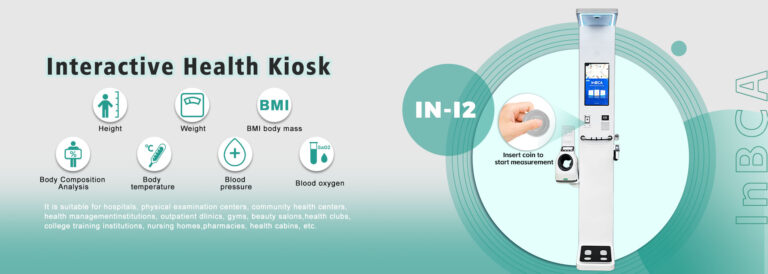
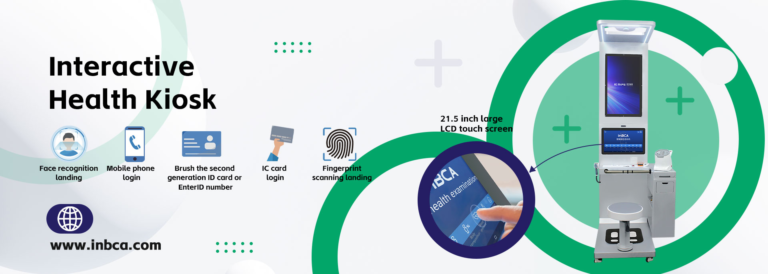
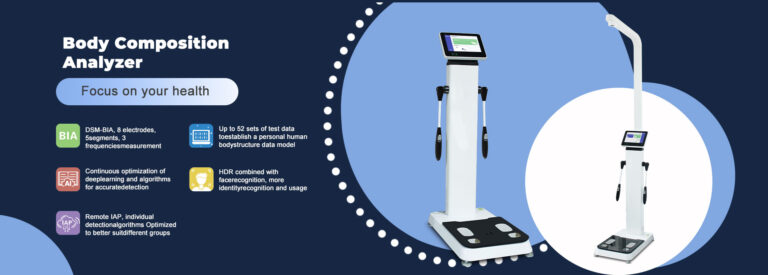
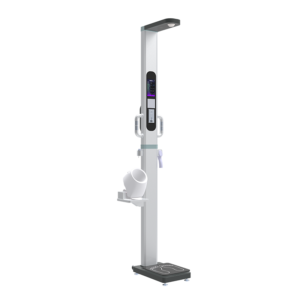
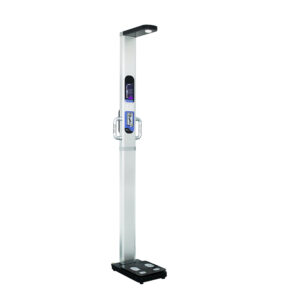
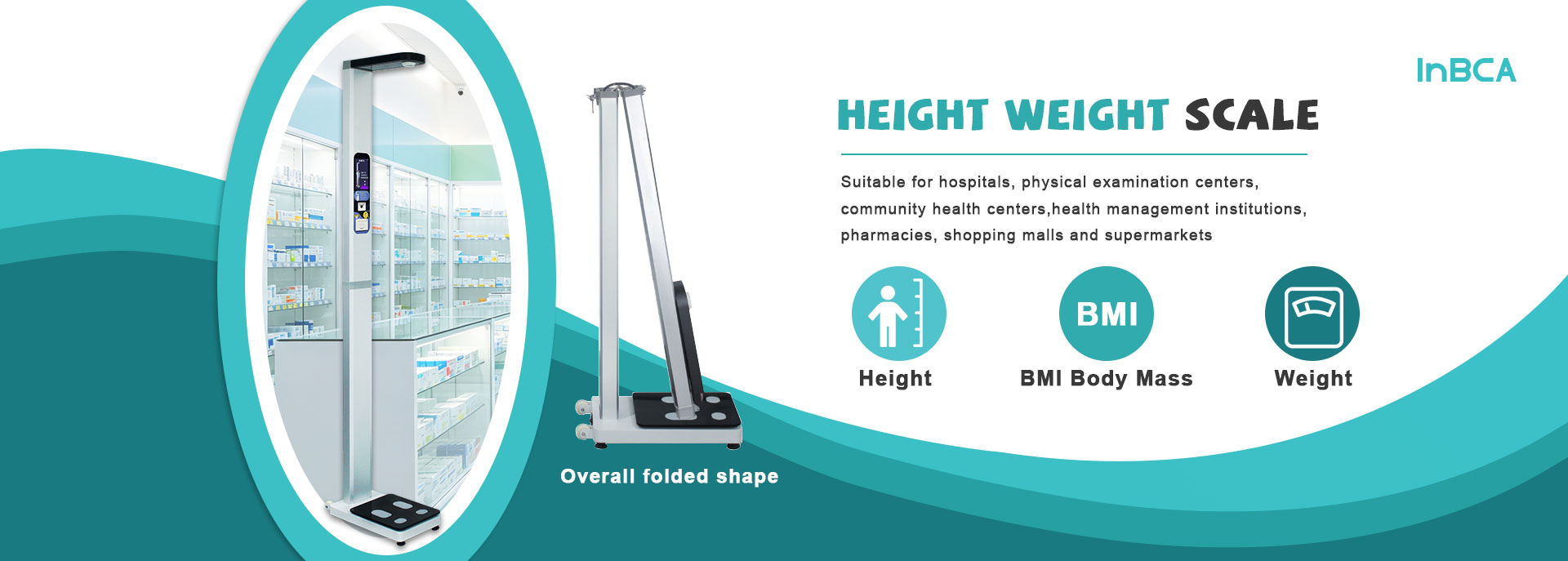
In an era characterized by a proliferation of digital medical devices, the height and weight scale is often perceived as the most “unassuming” piece of basic equipment. Yet, it is precisely this most common and fundamental measurement tool that constitutes the first line of defense in clinical assessment. Modern electronic height and weight scales are no longer merely simple mechanical weighing devices; rather, they serve as digital gateways that integrate intelligent BMI calculation, Bluetooth/4G data transmission, and even posture analysis capabilities.
BMI: A Core Decision-Making Basis for Clinical Triage
The Body Mass Index (BMI)—calculated based on height and the square of body weight—serves as a primary indicator for identifying malnutrition, overweight status, obesity, or cachexia. For departments such as endocrinology, nutrition, oncology, and geriatrics, BMI values directly influence subsequent diagnostic and treatment pathways:
BMI < 18.5: Suggests nutritional risk or a wasting disease; requires the initiation of nutritional screening (e.g., NRS 2002).
BMI ≥ 24: Suggests overweight status; requires an assessment of metabolic syndrome risk.
BMI ≥ 28: Indicates clinical obesity; requires consideration of lifestyle interventions or specialist referral.
Children and Adolescents: Require the use of age-specific BMI percentile curves rather than fixed adult thresholds.
If height and weight measurements are inaccurate, all subsequent clinical decisions will be built upon a flawed foundation. Modern electronic height and weight scales utilize ultrasonic or laser ranging technology to measure height with millimeter-level precision, and employ high-precision strain gauge sensors to measure weight with an accuracy of 0.1 kg—performance far superior to that of traditional mechanical scales.
Promoting Precision in Medication Dosing
In fields such as pediatrics, oncology chemotherapy, intensive care, and in the administration of certain specialized medications (e.g., anticoagulants, anesthetic induction agents), Body Surface Area (BSA) serves as a more accurate basis for calculating medication dosages than body weight alone. BSA requires a combined calculation utilizing both height and weight (typically employing the Dubois or Mosteller formulas). A height and weight scale capable of automatically calculating and outputting BSA provides clinical pharmacists and physicians with immediate, accurate dosage references, thereby eliminating errors associated with manual calculation. This automated step holds particular safety value in rapid-response clinical scenarios. From Data Silos to Seamless Connectivity
The most significant pain point associated with traditional height and weight scales is the existence of data silos—a process involving manual measurement by nurses, manual recording, and subsequent manual entry into the Hospital Information System (HIS). This workflow is not only time-consuming but also highly susceptible to transcription errors. Modern smart height and weight scales address this issue by integrating Wi-Fi, Bluetooth, or 4G Cat.1 modules, enabling the real-time uploading of measurement data directly to the HIS, physical examination systems, or Electronic Medical Records (EMR). Furthermore, some devices feature voice broadcasting and thermal printing capabilities, automatically generating a printed slip of the measurement results that can be conveniently affixed to a patient’s medical chart or physical examination form. This seemingly minor automation can, in large-scale physical examination centers or outpatient departments of top-tier hospitals, save nurses several hours of manual data entry time daily while simultaneously eliminating the risk of transcription errors.
User-Friendly Design for the Elderly and Special Populations
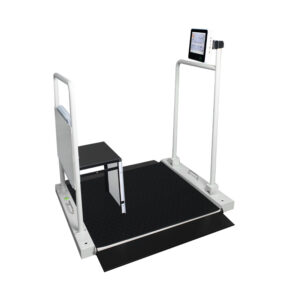
Elderly individuals often suffer from orthostatic hypotension and diminished balance capabilities, making standing measurements a potential fall hazard. To mitigate this risk, some high-end height and weight scales are equipped with handrails, fold-down seats, or a “direct wheelchair weighing” mode, in addition to featuring non-slip platforms and low-profile footrests. Certain devices are capable of measuring both standing height and knee height; for patients unable to stand, these devices can estimate total height using specific formulas. These thoughtful design details are what truly determine the practical applicability of such equipment in geriatrics, rehabilitation, and community-based healthcare settings.
Conclusion: While height and weight scales are among the most fundamental tools in clinical practice, “fundamental” does not equate to “simple.” Through advancements in measurement precision, intelligent connectivity, and human-factors engineering, modern devices have evolved into the invisible cornerstones that underpin hierarchical diagnosis and treatment systems, medication safety protocols, and nutritional screening initiatives.