How Body Composition Analysis Is Reshaping Clinical Nutrition and Chronic Disease Management?
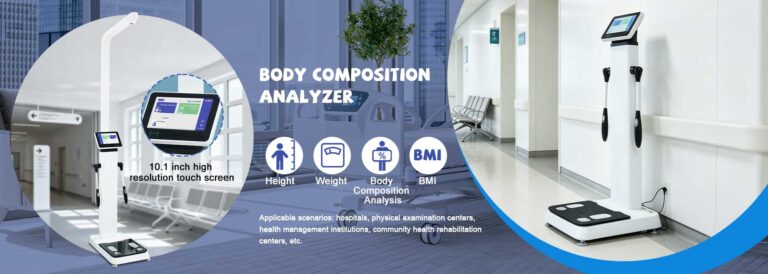
In clinical practice, body weight is often used as a simple indicator for assessing nutritional status. However, weight alone cannot distinguish the relative proportions of muscle, fat, water, and bone, making it highly prone to misinterpretation. For instance, a patient with edema may show an increase in body weight while actually suffering from concomitant muscle loss; conversely, an elderly individual who appears “slim” may actually be at high risk for sarcopenia or “hidden obesity.” The advent of Body Composition Analyzers has advanced clinical assessment from the “Era of Weight” to the “Era of Tissue.”
From “Malnutrition” to “Sarcopenia”: Precise Identification
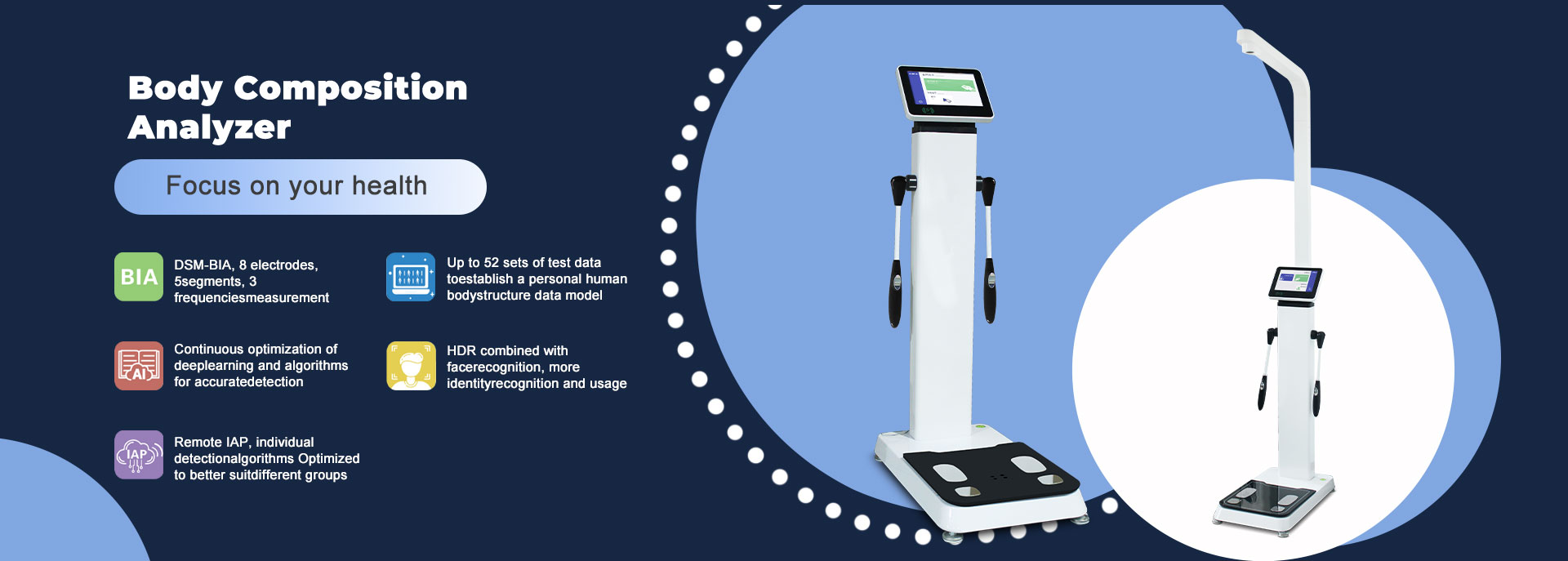
For patients with cancer, chronic kidney disease, or geriatric conditions, Skeletal Muscle Mass serves as a more critical prognostic indicator than body weight. Utilizing Bioelectrical Impedance Analysis (BIA) or multi-frequency measurement techniques, Body Composition Analyzers can quantify muscle distribution across the limbs and torso to calculate the Skeletal Muscle Index (SMI). When the SMI falls below a specific threshold, a clinical diagnosis of sarcopenia can be established, thereby triggering the initiation of nutritional support and rehabilitation interventions. This approach has been recognized as a key diagnostic criterion in international clinical guidelines, such as the GLIM criteria for diagnosing malnutrition.
Fluid Balance: A Silent Sentinel for Renal and Cardiac Diseases
One of the core advantages of Body Composition Analyzers lies in their ability to measure the ratio of Extracellular Water to Total Body Water (ECW/TBW). For patients suffering from chronic heart failure or end-stage renal disease, this ratio serves as a sensitive indicator of the degree of fluid and sodium retention—often revealing abnormalities even before visible edema becomes apparent. In dialysis centers, monthly body composition analysis allows physicians to precisely determine a patient’s “dry weight,” thereby preventing complications such as intradialytic hypotension or volume overload. Furthermore, certain high-end devices can generate a “Phase Angle”—a comprehensive metric reflecting both cell membrane integrity and overall nutritional status. A lower Phase Angle value typically suggests declining cellular function or an elevated risk of disease progression.
Elevating Obesity Diagnosis: Visceral Fat and Metabolic Risk
Body Mass Index (BMI) alone cannot distinguish between subcutaneous fat and visceral fat; yet, it is the latter that serves as the primary driving factor behind metabolic disorders such as diabetes, hypertension, and hyperlipidemia. Body composition analyzers can output Visceral Fat Area (VFA), for which 100 cm² is typically considered the risk threshold. Clinical studies have shown that when VFA analysis is incorporated into routine health checkups, more than one-third of individuals with a normal BMI are found to have excessive visceral fat—a phenotype known as “Metabolically Obese Normal Weight” (MONW). If left without intervention, the metabolic risks faced by this demographic are indistinguishable from those of individuals with overt obesity.
**Driving the Shift from “Empirical Fluid Management” to “Data-Driven Care”**
In fields such as intensive care, post-operative recovery, and bariatric surgery, body composition analysis provides a continuous and non-invasive method for patient monitoring. For instance, patients recovering from bariatric surgery require strict measures to prevent protein loss; periodic analysis of changes in Fat-Free Mass (FFM) can effectively guide their protein supplementation regimens. It can be said that body composition analyzers have evolved into a shared, multi-disciplinary tool—bridging the departments of Nutrition, Endocrinology, Nephrology, and Rehabilitation—thereby truly enabling the quantitative management of “human body composition.”