From Queuing to Smart Stations, How Interactive Health Kiosks Are Reconstructing the Patient Experience
Amidst the wave of digital transformation, the healthcare sector has long grappled with a persistent pain point: a fundamental disconnect between highly efficient professional medical treatment and inefficient, non-clinical administrative processes. Patients often spend an inordinate amount of time waiting—to register, pay fees, undergo triage, and complete basic vital sign measurements—rather than engaging in actual consultations with their doctors. The widespread adoption of Interactive Health Kiosks serves as the key to resolving this very “disconnect.”
**Process Reengineering: From “Diversion” to “Integration”**
The traditional patient journey follows a linear path: registration, waiting, consultation, payment, and diagnostic testing. This sequence frequently results in “bottlenecks” and congestion at clinic doorways. Modern health kiosks, however, are actively restructuring this workflow.
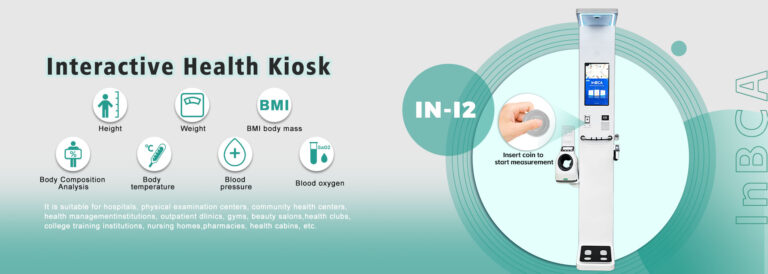
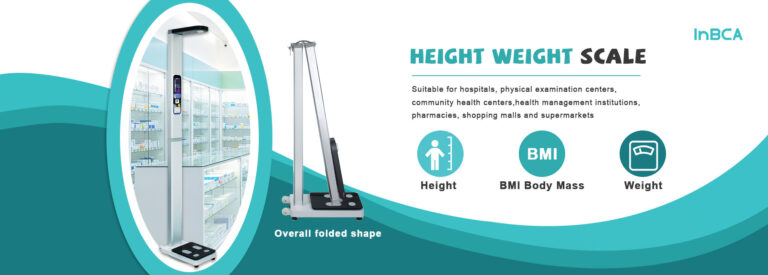
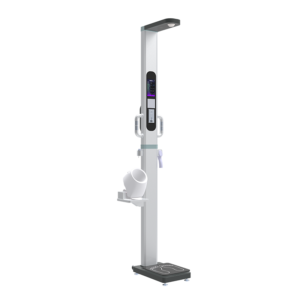
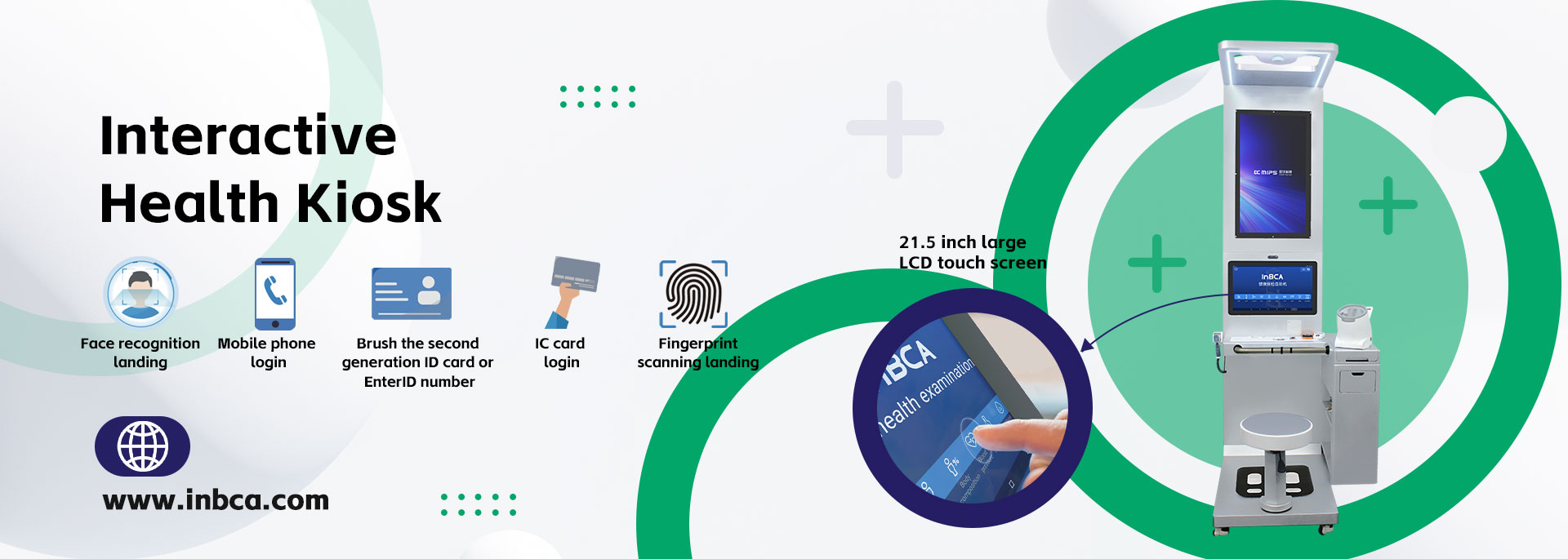
Today’s smart terminals are far more than mere machines for registration and payment; they serve as gateways connecting an individual’s personal health data directly to their Electronic Health Records (EHR). Once a patient completes their initial identity verification via a self-service kiosk, subsequent data—such as height, weight, body temperature, and blood pressure—is synchronized in real-time to the physician’s computer interface. This design not only minimizes the time patients spend waiting at the front desk but, more importantly, ensures that physicians are already equipped with the patient’s basic vital signs data by the time the patient enters the consultation room. This paradigm—where “data waits for the person” rather than “the person waits for the doctor”—leads to a substantial boost in clinical efficiency.
**Disrupting Clinic Design: Shifting Focus from “Institution” to “User”**
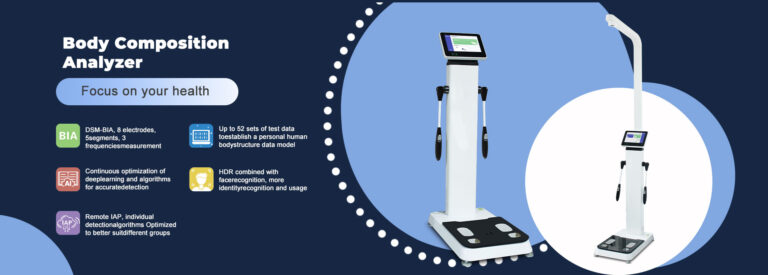
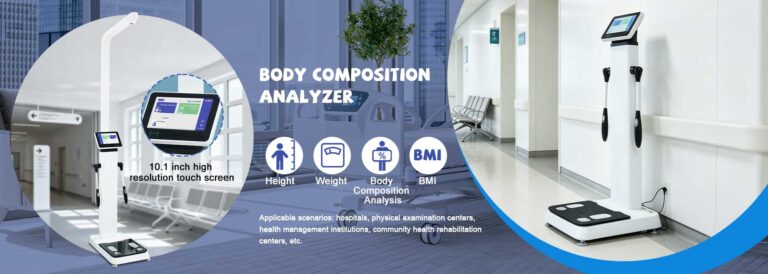
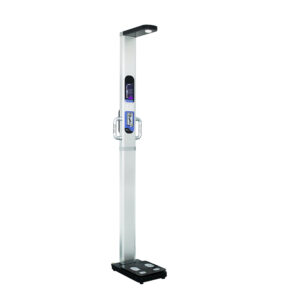
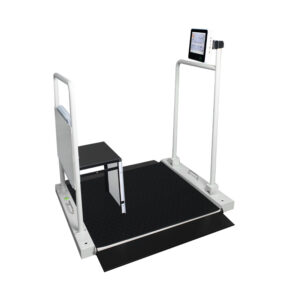
With the integration of such hardware, the physical spatial design of healthcare facilities is also undergoing a transformation. Traditional clinic lobbies required ample space to accommodate rows of seating and numerous registration windows; now, however, we are witnessing the rise of the “Smart Waiting Area.” Multiple integrated health stations—equipped with blood pressure monitors, pulse oximeters, ECG sensors, and even body composition analyzers—are beginning to assume many of the functions previously handled by front-desk staff.
This trend is particularly pronounced in high-end private clinics across Europe, North America, and parts of China: the role of the nurse is evolving from that of a “triage recorder” to a “health guide,” directing patients to self-service device zones to complete their preliminary screenings. This represents not merely a change in equipment, but a fundamental advancement in healthcare philosophy—a move toward decentralization that actively empowers patients to participate in the collection of their own health data. Resolving the “Three Longs and One Short” Through a Data-Driven Future
By utilizing self-service terminals, healthcare institutions can significantly resolve the persistent contradiction characterized by “long wait times for registration, consultation, and payment, yet short consultation times.” When the collection of basic data is delegated to machines, medical staff are liberated from tedious administrative tasks, enabling them to devote more energy to clinical decision-making and compassionate patient care.
Furthermore, terminals equipped with AI algorithms can even provide early warnings based on data anomalies. For instance, if a patient’s self-measured blood pressure is detected to be spiking abnormally, the system will automatically alert nurses in the background to prioritize that patient for immediate consultation. This intelligent triage logic represents the very blueprint for the smart hospitals of the future. Health terminals are no longer merely cold, impersonal machines; rather, they serve as a warm bridge connecting public services with individual health.