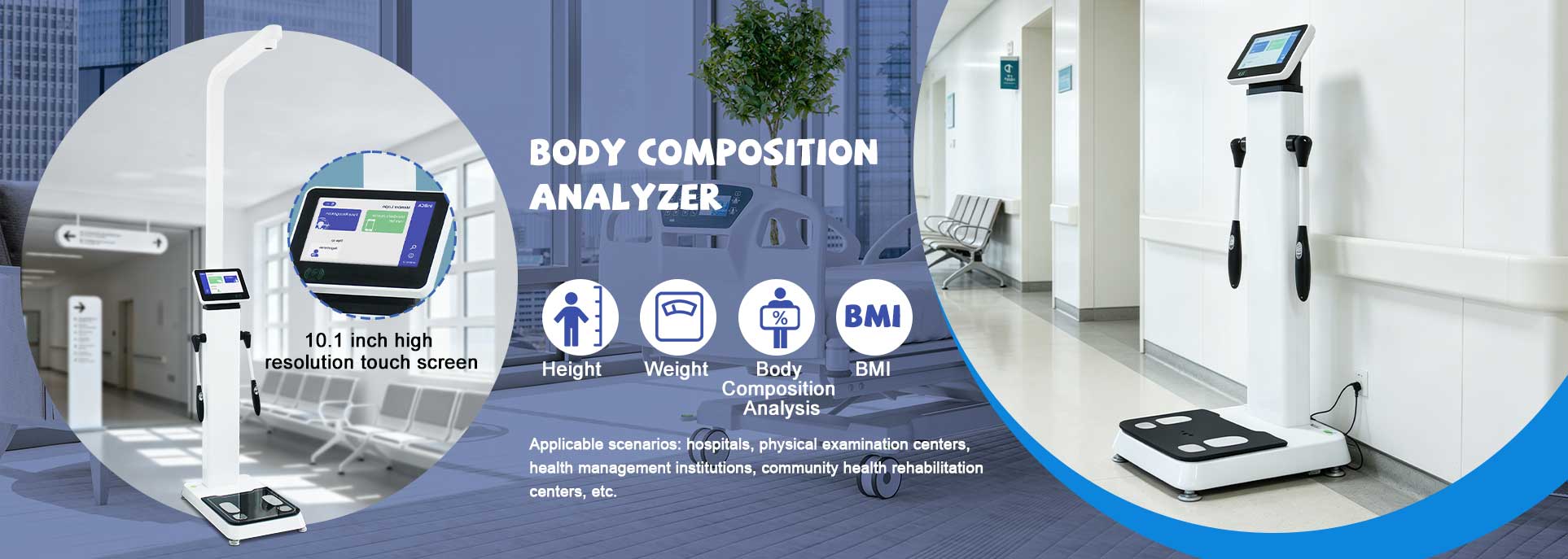
Why Are Fitness Coaches and Nutritionists All Using Body Composition Analyzers ?
Are your fitness efforts truly effective? One gym member, after running consistently for a month, saw her weight drop by 2 kg and was delighted. However, a body composition analysis revealed the truth: 1.8 kg of that loss was muscle mass, while only 0.2 kg was actual body fat. This represents a classic “metabolic disaster”—as weight decreases, the Basal Metabolic Rate (BMR) plummets in tandem, making weight rebound an almost inevitable outcome. The Body Composition Analyzer is precisely the key tool needed to uncover the reality behind such “deceptive weight loss.”
**Redefining the “Ideal Physique”: From Weight Figures to Body Codes**
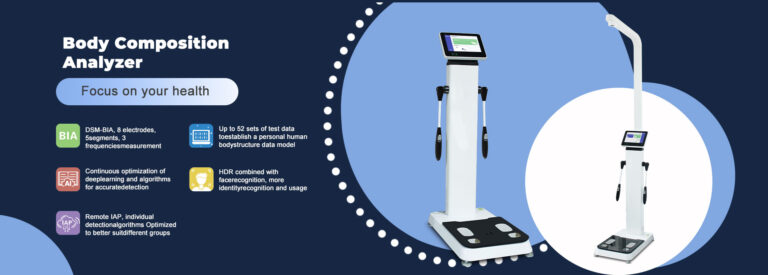
There is a famous adage in the fitness community: “Weight is a lie; body fat percentage is the truth.” Yet, focusing solely on body fat percentage is still insufficient. Modern body composition analyzers provide a comprehensive matrix of data points:
**Body Fat Percentage:** The core metric for assessing leanness or adiposity; typically ranges from 10–20% for healthy males and 18–28% for females.
**Muscle Mass:** Specifically, the balance and symmetry of muscle mass in the limbs. If the muscle mass difference between the left and right upper limbs exceeds 10%, it may indicate an abnormal movement pattern or a potential risk of injury.
**Basal Metabolic Rate (BMR):** Calculated based on Fat-Free Mass (FFM). The higher the muscle mass, the higher the BMR—making fat loss significantly easier to achieve. This constitutes the scientific basis for establishing a caloric deficit.
Segmental Analysis: This feature allows for the separate display of muscle and fat distribution in the left arm, right arm, torso, left leg, and right leg. A tennis player, for instance, might discover that the muscles in their right arm are significantly more developed, whereas a sedentary individual might typically exhibit fat accumulation in the torso.
Data-Driven Periodization of Training and Nutritional Intervention
By conducting body composition analyses every 4 to 6 weeks, coaches can evolve from relying on “intuition” to adopting a “data-driven” approach:
Muscle-Building Phase: The primary focus is on ensuring that Skeletal Muscle Mass (SMM) increases, while simultaneously monitoring body fat percentage to prevent excessive fat gain. If body weight increases but muscle mass remains unchanged, it indicates that the caloric surplus has been primarily converted into fat—necessitating an adjustment in training intensity or protein intake ratios.
Fat-Loss Phase: The core metrics here are the “rate of fat loss” and the “degree of muscle retention.” Ideal fat loss involves maintaining muscle mass at a relatively constant level, or experiencing only a negligible decline. If muscle loss is observed to exceed fat loss, protein intake must be immediately increased, and the balance between aerobic and strength training adjusted accordingly.
Breaking Through Plateaus: When body weight and body measurements remain stagnant for an extended period, body composition data can reveal the underlying cause. It is possible that fat is still decreasing while muscle mass is simultaneously increasing—resulting in unchanged body weight (a “benign plateau”); alternatively, if neither metric shows any change, a modification in training stimuli is required.
From Professional Equipment to Widespread Accessibility via Community Health Stations
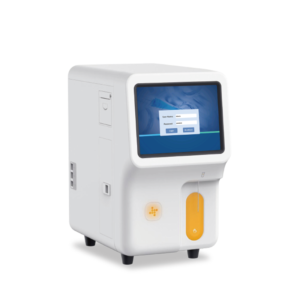
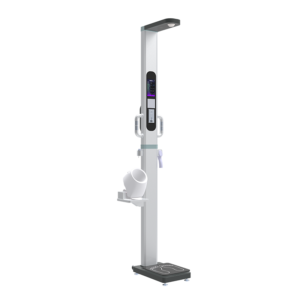
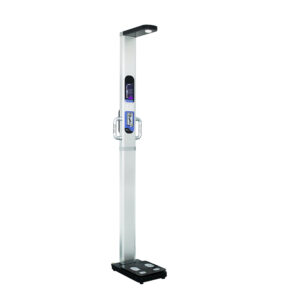
In the past, body composition analyzers were typically found only in sports research institutions or elite fitness centers, often costing tens of thousands of dollars. Today, however, the emergence of consumer-grade versions and body composition modules integrated into community health stations has significantly lowered the barrier to entry. Certain smart body fat scales—specifically those equipped with hand and foot electrodes or multi-frequency bioelectrical impedance technology—can now provide 6 to 12 core metrics, including body fat percentage, muscle mass, and protein content. While their precision may not match that of professional 8-electrode devices, they are more than sufficient for average users to track trends over time. Crucially, this data can be synchronized via the cloud to mobile apps, where it integrates with dietary logs and workout journals to create a comprehensive, closed-loop system for health management.
A Powerful Tool for Enhancing Client Retention
For fitness studios and health management centers, a body composition analyzer has become—quite simply—standard equipment. What clients want to see is not vague encouragement—such as “You’ve lost weight”—but rather concrete data points: “Your visceral fat level has dropped from 12 to 9,” or “Your muscle mass has increased by 1.2 kg.” These results are specific, quantifiable, and compelling. Positive data changes observed during each follow-up assessment serve as the most powerful incentive for clients to renew their services.